
Understand water movement.
Analyse visible surface flow in suitable coastal footage, alongside the camera view and sea conditions.
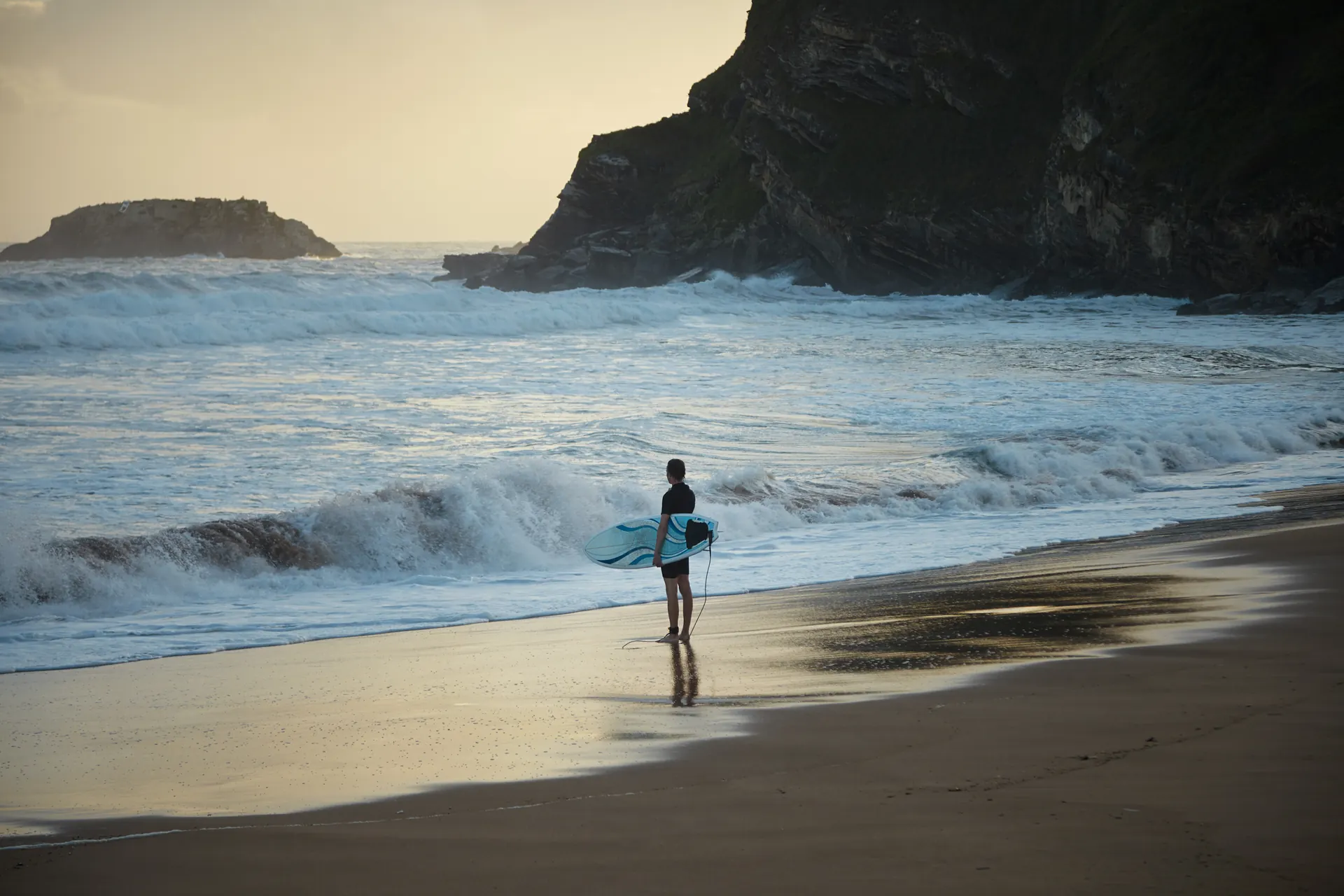
See the surface movement
Surface-flow analysis adds information about the water around people.
Surface-flow analysis
A people track describes movement in the image. Water-flow analysis adds information about visible surface movement and how it changes across the monitored area.
The operator can consider those observations together when reviewing activity. A visually clear surface-flow estimate is different from a complete description of underwater conditions.
Choose a suitable view
A useful view must show enough surface detail across relevant conditions.
Camera suitability and conditions
The view needs enough detail to observe the surface across the area of interest. Glare, wave action, spray, camera movement and image compression can affect the analysis.
Provide footage from the monitoring hours and conditions you care about. Assess those conditions individually rather than applying an untested result to every tide or weather pattern.
Put flow in context
Connect the flow information to the task and the team interpreting it.
How operators use flow information
Agree what the operator needs to review: surface-flow direction, changes over time or an area of interest alongside people tracks. The delivery format is defined with the receiving team.
The output supports operational interpretation. It does not certify a beach as safe or replace patrol judgement and public safety guidance.
Evaluate the site
Assess the camera, conditions and intended use at the site.
Site evaluation requirements
Choose the camera view, monitored area and conditions. Compare the output with authorised footage and relevant expert observations, and record the conditions where the analysis is useful or uncertain.
An initial assessment establishes whether the video is a useful input and what a more detailed evaluation should test. Discuss water-flow analysis.
Background and context
ResQVision analyses visible surface movement to assess rip-current, longshore-current and water-flow patterns. Flow direction and changes over time add information about the water around the people being observed.
This capability depends on a view that shows enough surface detail. It is assessed with the camera, conditions and intended operational use.
Start with
one camera view.
Free initial assessment. A written recommendation.
Free camera assessment