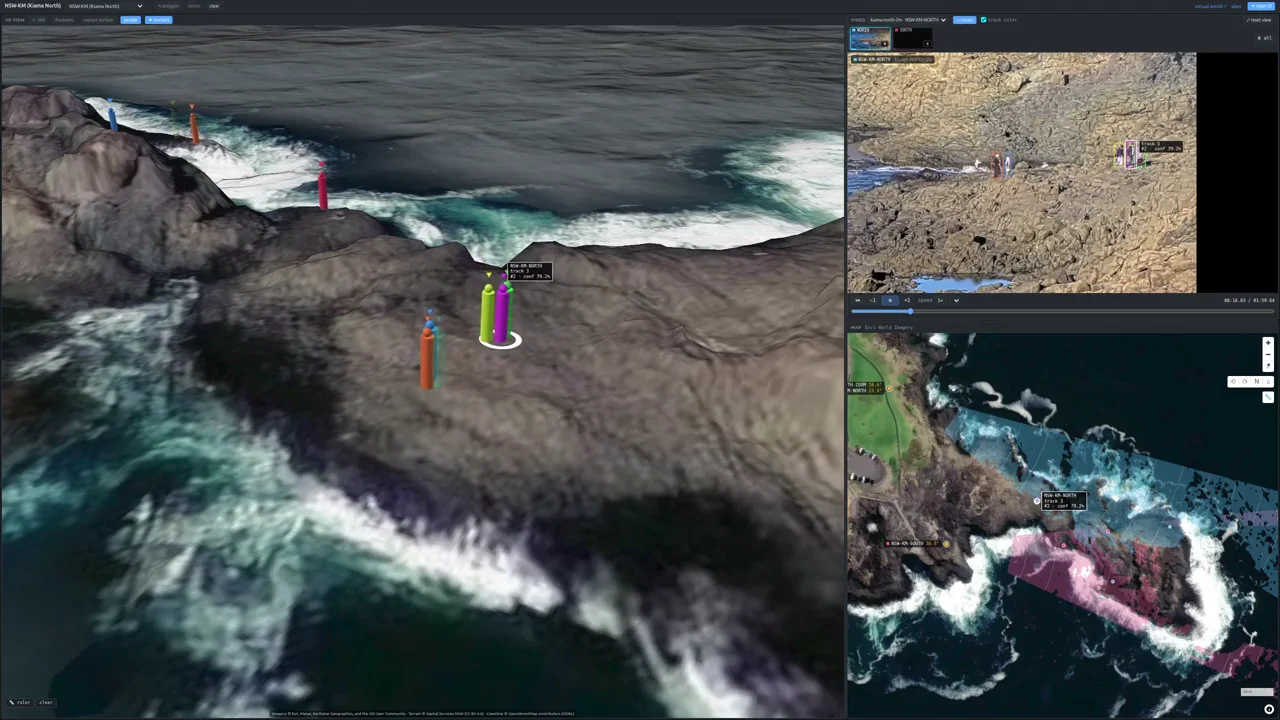
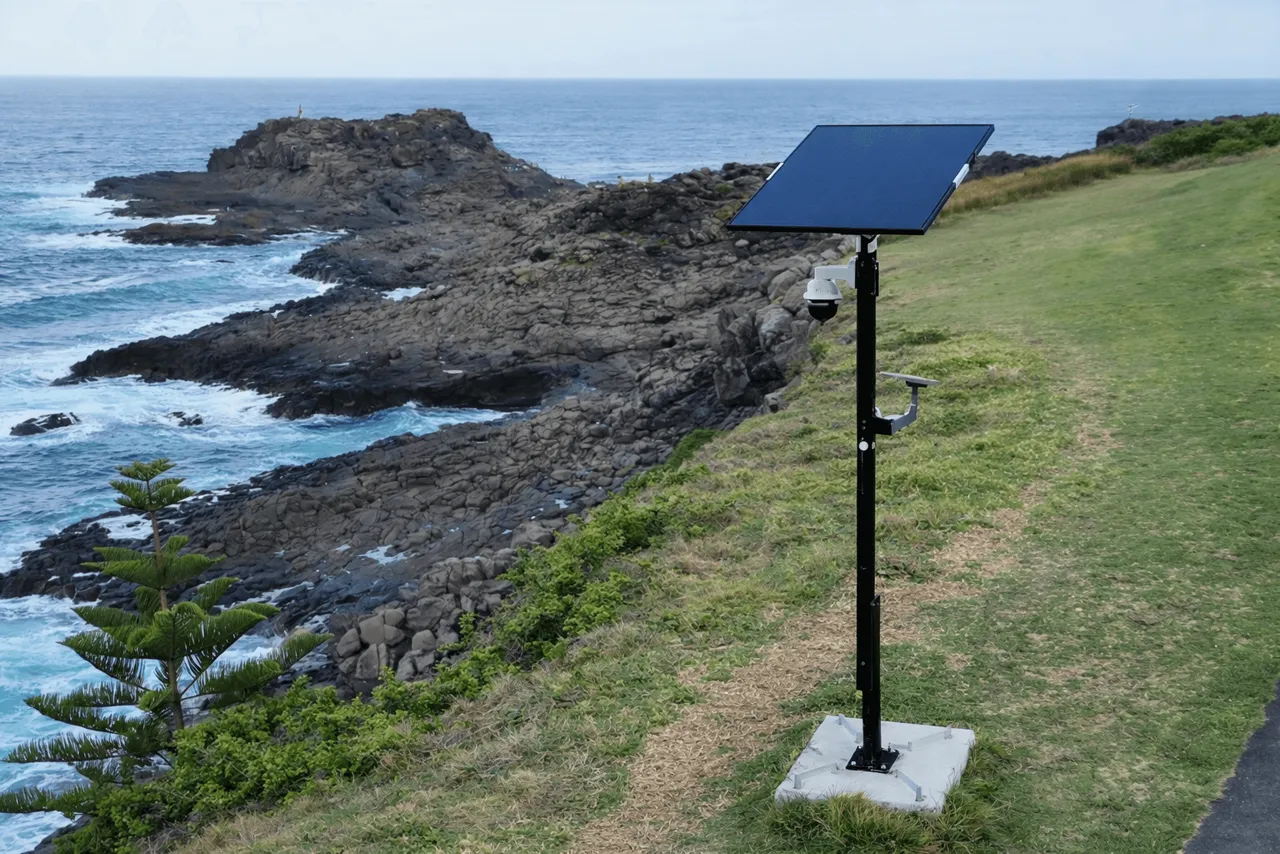
Historical national figures point to a practical planning question: where is the local risk, and can an observation reach a team that can respond?
Story context2023/24 report context
Surf Life Saving Queensland’s summary of the 2024 National Coastal Safety Report recorded 150 coastal drowning deaths in the year ending June 2024, up from 123 the previous year.
Its other findings included 69% occurring more than one kilometre from Surf Life Saving services, and rip currents being attributed to one in three beach drowning deaths. These are historical figures for 2023/24; the beach statistic is a separate measure from all coastal drowning deaths.
Use national evidence to ask a local question
The figures explain why location and coverage matter. They cannot identify the right camera position for an individual site.
A local assessment needs the activity, incident history, viewing conditions and operating hours. It also needs to identify who would receive an alert and what response is available.
Three checks before adding a camera
- Visibility: can the target event be seen at useful detail?
- Operating conditions: what changes with light, tide, swell and obstructions?
- Response: who reviews the observation and decides what follows?
Read the original 2024 summary alongside the camera suitability guide. Use current local data when planning a new installation.
Sources & story details
- Location
- Australia
Read the original public source