AFAC’s public SAIL resource explains how coastal camera observations connect to operator review and rescue coordination. Here is what that workflow teaches us.
One event. A complete response pathway.
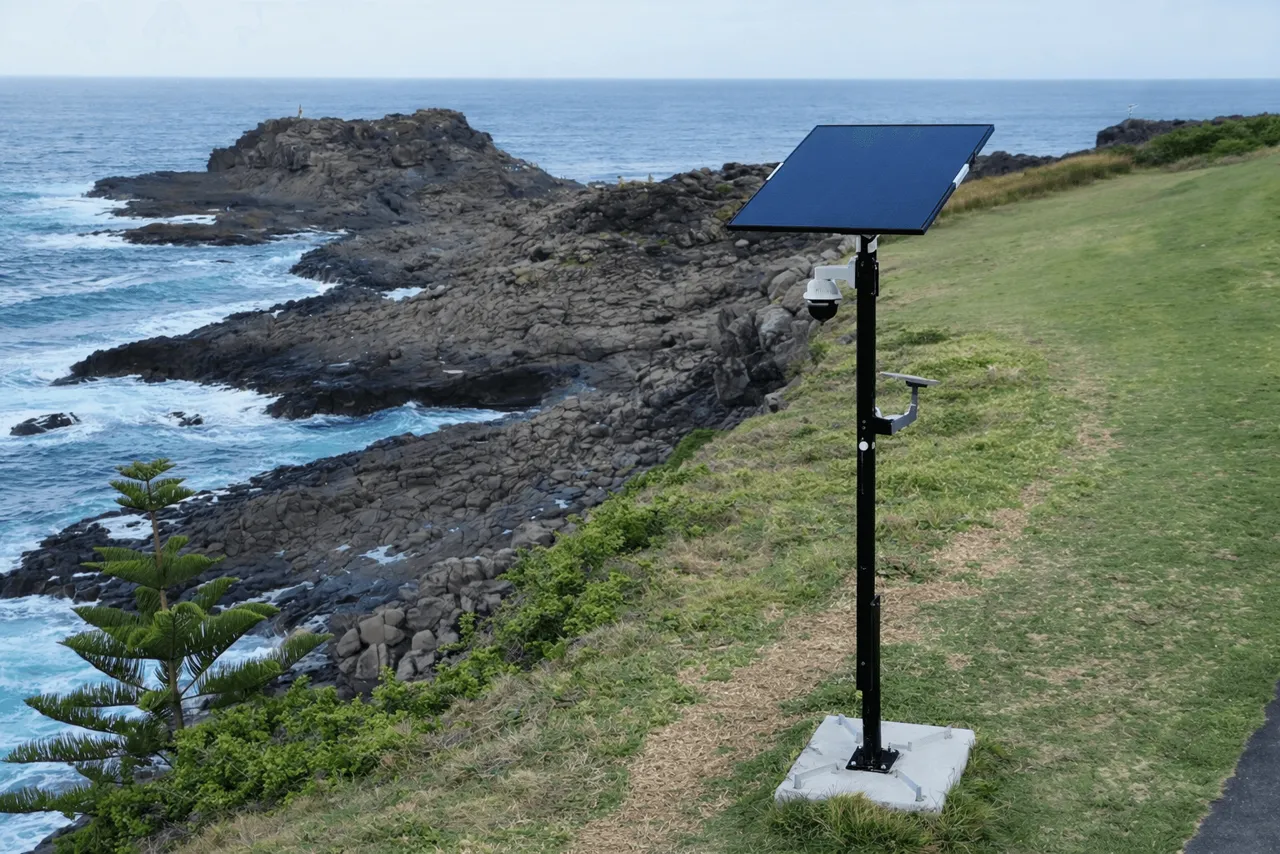
SAIL stands for Surveillance AI for Lifesaving. The AFAC resource describes cameras observing rock platforms, analytics flagging an event and an alert reaching Surf Life Saving NSW’s State Operations Centre. An operator verifies the scene and tasks rescue resources through established communications.
The attached conference paper includes incidents involving jet-ski and helicopter responses. These accounts show the operating chain in use, including the contribution of people, equipment and lifejackets. They do not establish a general detection rate for other sites.
The work behind the workflow.
ResQVision supported AI detection and tracking, alerting integration, ongoing development and technical support. The delivery also included the on-premises server build and setup, testing with SLSNSW personnel and jet skis, and time in the State Operations Centre learning how operators work.
Our SAIL case study brings the delivery account together with the operator’s published programme description and the conference resource.
What to take into your own evaluation.
Define an observable event and the area where it can be seen. Identify the receiving team, the footage it needs to review and the response it can coordinate. Assess ordinary activity alongside the event of interest to understand missed events and alert workload.
Document detection, alert delivery, operator acknowledgement and response separately. That gives each participant a clear role and makes the evaluation useful beyond a demonstration.
Explore the original resource.
Published on 18 August 2026, AFAC’s resource names Riley Porteous of Surf Life Saving NSW and James Bigg of ResQVision as contributors.
Read the AFAC resource and attached conference paper, explore coastal safety or discuss your camera evaluation.
Read the original public source