
Field data, realistic testing and time with operators connect AI development to the coastal conditions it needs to understand.
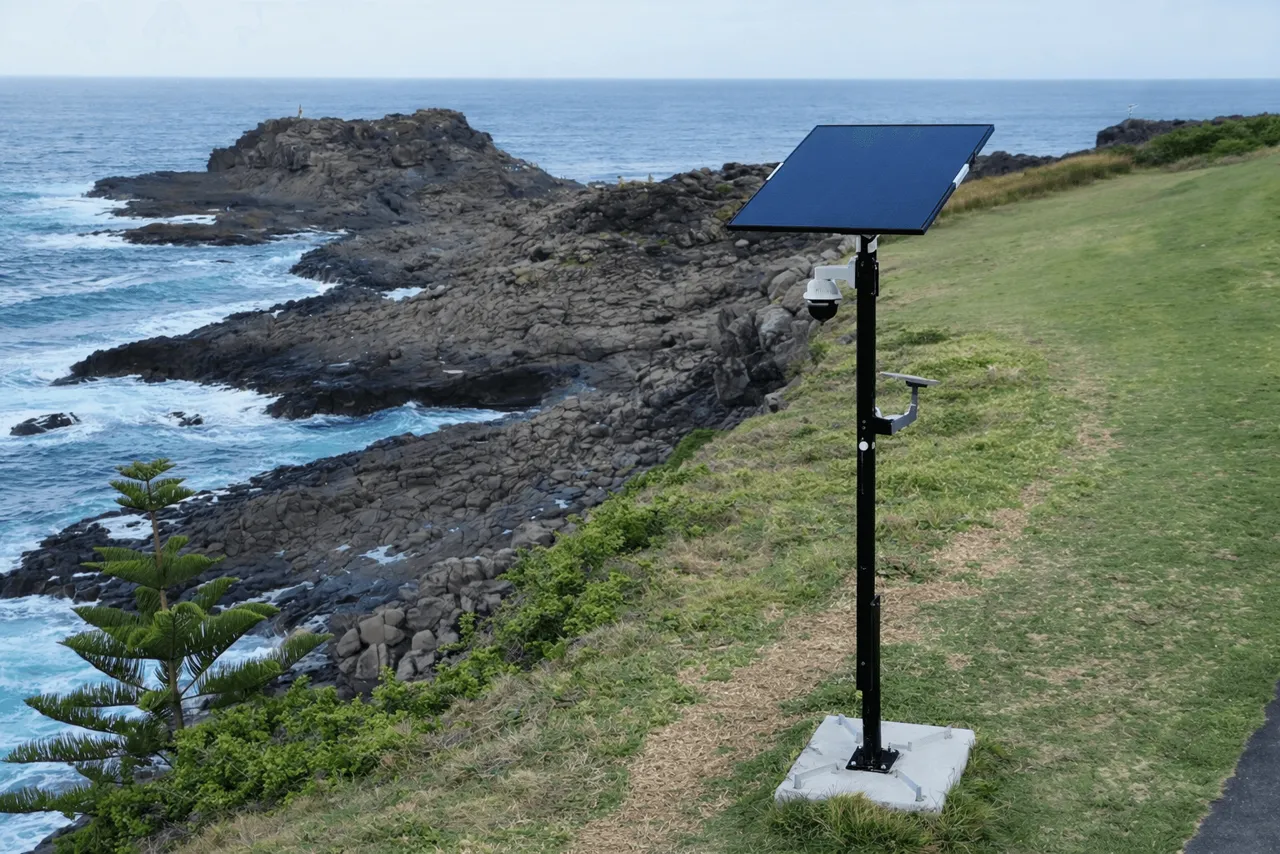
Learning from the actual view.
In October and November 2025, Alex shared coastal data-collection work with Surf Life Saving NSW and Giles Robinson. His November post records work at Kiama Blowhole to gather examples for fall-detection development.
The delivery work also included testing with SLSNSW personnel and jet skis, and time in the State Operations Centre to understand how operators receive and review an event.
Inputs, context and review.
A useful model needs representative footage, a defined event and a clear receiving workflow. Ordinary activity matters alongside the event of interest: a team needs to understand what produces an alert and what context arrives with it.
Testing and data collection contribute to development. They do not, by themselves, establish a published performance benchmark or prove a rescue outcome.
Follow the delivery story.
Read the SAIL case study, explore fall detection, or discuss your own operating question.
Alex’s October field-work post provides further context. This retrospective was added to the archive on 5 October 2026.
Read the original public source